Your Comprehensive Manual on Hair Graft Calculators and Turkey Clinic Reviews
Embarking on a journey toward hair restoration can be both exhilarating and overwhelming, as the sheer volume of information available online often leaves prospective patients confused about where to begin. For many individuals suffering from alopecia, the primary concern revolves around the exact scope of the procedure required to achieve a dense, natural-looking result. This is precisely where a hair graft calculator becomes an invaluable asset, offering a preliminary digital assessment before you ever step foot inside a medical office. Coupling these automated digital insights with thorough, deep-dive reviews of top-tier Turkish medical centers creates a foolproof strategy for selecting your provider. 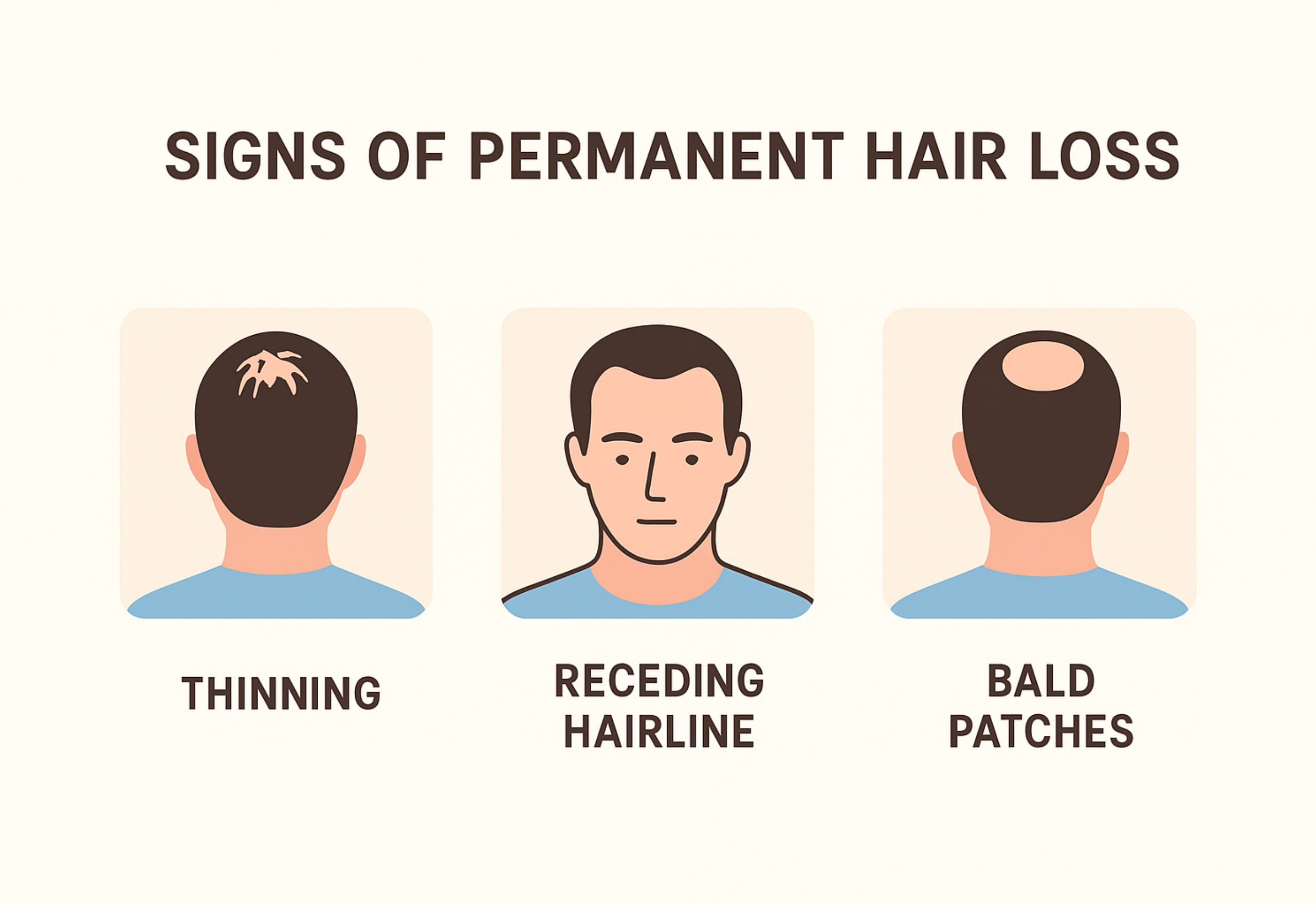 To get the most out of an automated assessment, you need to understand the mechanics of follicular distribution and how clinics evaluate your donor area. For the purpose of surgical planning, the balding area is mapped out into separate sections that require different levels of density and artistic placement. The software works by matching your inputs against established medical charts, allowing it to estimate the surface area that has lost its original density. Depending on whether you just want to lower your hairline or completely fill a bald spot at the back, the suggested numbers will fluctuate significantly. Prospective patients must approach these digital approximations with a degree of healthy skepticism, understanding that algorithms generalize human anatomy. The digital interface cannot evaluate the long-term stability of your remaining hair or calculate the exact density of your permanent safe donor area. The natural texture of your hair plays a massive role in visual opacity; wavy or coarse hair naturally blocks more light from hitting the scalp, reducing the total graft count. You should use these mathematical results to form intelligent questions for your upcoming medical consultations, rather than taking them as absolute gospel. With your approximate numbers in mind, you can begin exploring international healthcare options, where Turkey stands out as a dominant global leader in hair restoration. Istanbul has earned a stellar international reputation for housing some of the most advanced, highly specialized hair restoration pavilions in the entire medical world. Patients flock to this Mediterranean destination because it offers premium care packages that bundle luxury accommodation and luxury transport with state-of-the-art surgical care. With so many providers vying for your attention, the burden of proof falls squarely on your research, forcing you to look beyond flashy advertisements. This is where the art of analyzing Turkey clinic reviews becomes your most potent shield against subpar medical care and predatory marketing tactics. A savvy researcher knows that the curated testimonials featured on a company's main homepage rarely tell the complete, unvarnished story. By analyzing discussions on neutral web channels, you can discover how a clinic handles unexpected complications or patient dissatisfaction, which is the true test of quality care. Prioritize reviews that discuss the clinic's long-term communication habits, specifically how attentive they remain during the crucial six-month post-op checkups.
 One of the biggest hazards in the modern medical tourism landscape is the rise of assembly-line clinics that prioritize sales volume over individualized patient safety. In these industrial-style setups, the primary doctor acts merely as a salesperson who signs paperwork and disappears, leaving the actual extractions to undertrained staff. A pattern of complaints regarding uneven hairlines, poor graft angles, or permanent scarring in the donor area is an immediate reason to walk away. When a clinic is praised for its strict adherence to international medical protocols and transparent, ethical pricing models, you are likely on the right track. One of the hidden benefits of reading historical patient blogs is learning how to properly care for your newly implanted follicles during the fragile initial weeks. It is completely normal to panic when the newly implanted hair shafts fall out during the first month, a natural biological event known as shock loss. These community accounts illustrate that final density is a slow, patient game, often taking a full year for the front and up to eighteen months for the crown area. In conclusion, the key to achieving your dream hairline lies in balancing the quantitative output of software tools with the qualitative insights of real patient experiences. This initial technological step ensures you are never completely blind to the basic requirements of your unique hair loss pattern. Then, dedicate ample time to dissecting clinic reviews, cross-referencing testimonials across multiple independent channels to select a premier, doctor-led surgical team.